Connected Communities
Preventing Sexual Violence
A community focused, culturally grounded initiative that involves sharing stories and teachings of:
- Connection
- Love
- Belonging
- Generosity
- Respect
- Community
- Human dignity
- Humility
- Fairness
- Healing
- Hope
Our goal is to increase understanding of how we can prevent sexual violence in rural and tribal communities.
If you are in immediate need, call 911 (or your local emergency number). National Sexual Assault Hotline (RAINN): 800-656-HOPE (4673).
Content Notice: This page includes information about sexual violence and may be difficult to read. Your wellbeing matters. Please take breaks, skip sections, or return when you feel ready. If you want support, confidential help is available through local advocacy programs and national hotlines.
For tribal communities: We honor that healing and safety are tied to culture, community, and sovereignty. This page is offered to support prevention and wellbeing in ways that respect tribal laws, customs, and community-defined pathways to healing and accountability.
What Matters Most:
- Sexual violence is a serious issue with lasting impacts on survivors, families, and communities.
- Sexual violence is preventable when communities address risk and protective factors at individual, relationship, community, and societal levels.
- Some people in rural communities and Tribal nations face challenges accessing services, such as long distances, limited options, or concerns about confidentiality. These barriers can increase risk by limiting support, not because of the community itself.
- Strong relationships, cultural teachings, and community leadership remain important sources of protection and resilience.
- Prevention is strongest when it is community-led, grounded in local realities, and within tribal nations, aligned with sovereignty, tribal law, and cultural practices.
Overview
Sexual violence is when someone is forced or pressured into sexual activity without them freely agreeing to it. Sexual violence takes many forms. It can take place in person or online. It can impact anyone, no matter their age, sex, or background, and it’s often done by someone the person knows. Sexual violence is often about power and control.
Prevention
Stopping sexual violence before it starts is prevention. There are simple ways to help keep everyone safer, such as:
- Lower risks – Love takes many forms. Support healthy, respectful relationships. Speak up and get involved if a situation feels harmful or worrisome.
- Strengthen what protects us – Connection, belonging and dignity protect us all. Create opportunities for community members to connect, know and support one another. Speak up against harmful talk and behavior.
- Make our community spaces and services safer for all – Everyone shares responsibility for community safety. Communities are safer when people can be themselves without fear and community members promote values of caring for everyone.
- Fix the community conditions, systems and policies that increase risk – Risk is shaped by community factors – features of neighborhoods, schools, workplaces, organizations, and laws – not just personal choices or behaviors. Community members can help hold leaders and institutions responsible and accountable for safety and justice.
Why Focus on Rural and Tribal Communities
Community connectedness matters a lot in rural and Tribal communities, where staying safe means looking out for each other and working together. Rural communities also tend to face:
- Longer distances to access healthcare and advocacy services
- Transportation barriers and limited internet access
- Limited job opportunities and financial security
- Confidentiality concerns in close-knit communities
- Fewer shelter options and limited affordable housing
Each of these factors can make it harder to get help, increase isolation, and limit options for safe, healthy, independent living.
For tribal nations, preventing sexual violence is inseparable from sovereignty, self-determination, and the right to define safety and justice in ways consistent with Tribal law, custom, and community priorities.
Connection to Community Protects Us All
Connectedness means being linked to a community’s culture, language, traditions, and lived experiences, as well as to shared spaces, land, natural resources and region.
Community connectedness is an important way to help prevent sexual violence because it builds cohesion, trust, support, and a sense of psychological safety among community members. In communities with stronger connectedness, it is less likely that people will choose to be violent toward one another, and community members are more likely to take care of one another.
When people in rural and tribal communities come together, celebrate what makes them unique, and show respect for everyone, it helps build stronger bonds and trust. This makes it less likely for sexual violence to happen and helps everyone feel safer and more supported. The following community-informed strategies empower members to look out for one another, reduce isolation, and create environments where safety and respect are prioritized:
1. Create and maintain safe places, where everyone can come together and build connections.
What this could look like:
- Community centers, gardens, parks, cultural centers, and shared or public buildings like schools
2. Build on community strengths by expanding what’s already working to help people stay connected and care for one another.
What this could look like:
- Adding connection activities, such as story sharing, to existing community events
- Supporting and promoting seasonal celebrations, ceremonies, or cultural festivals
3. Invest in community-led opportunities to learn about local history and to practice traditions that strengthen connection and pride.
What this could look like:
- Offer guided walks or signage that connect people to place and history
- Displaying local art that reflects cultural traditions, identity, and history
4. Create or support efforts that increase understanding and respect for communities that have often been misunderstood or overlooked.
What this could look like:
- Creating opportunities for youth from different communities to learn and work together
- Modeling respectful language and behavior in public spaces and community settings
What You Can Do
Community members:
- Learn the basics of consent and healthy relationships and talk about them in everyday ways with youth, peers, and family.
- Practice safe bystander action by noticing harm, interrupting safely, checking in with someone who may be targeted, and connecting people to support.
- Challenge the idea that “everyone knows everyone,” which can keep people from speaking up. By supporting privacy, respect and believing survivors, rural and tribal communities can help reduce barriers and build support.
Community leaders:
- Use your platform to set expectations of respect, consent, and accountability as community norms.
- Invest in community-led programs, policies, and initiatives that strengthen connection, cultural ties, and build trust.
- Partner with health professionals and invest in services that provide community members with safe spaces and confidential support.
Parents, caregivers, or mentors:
- Teach youth that respect and consent are core values, and that asking/listening matters.
- Model healthy conflict resolution and boundaries in relationships. Skill-building and relationship education are key prevention approaches.
- Connect youth to culture, language, and belonging through elders, cultural leaders, and community programs. Protective connections strengthen resilience.
Videos
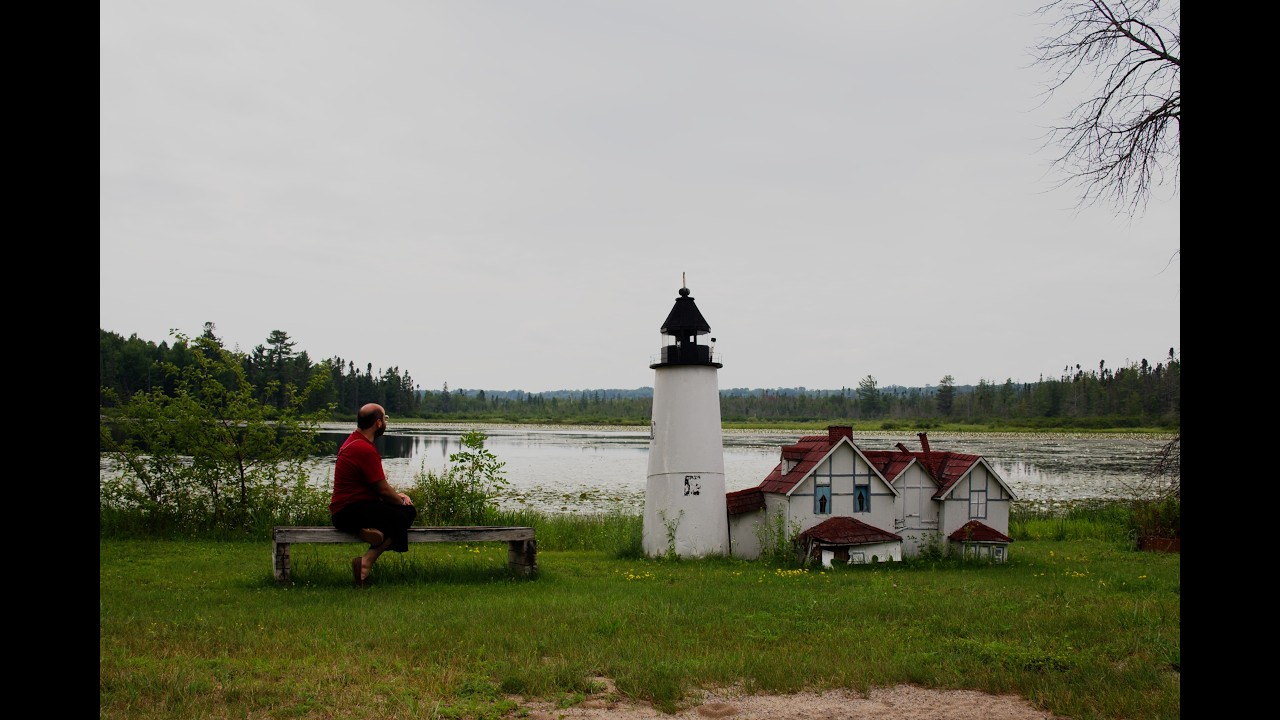
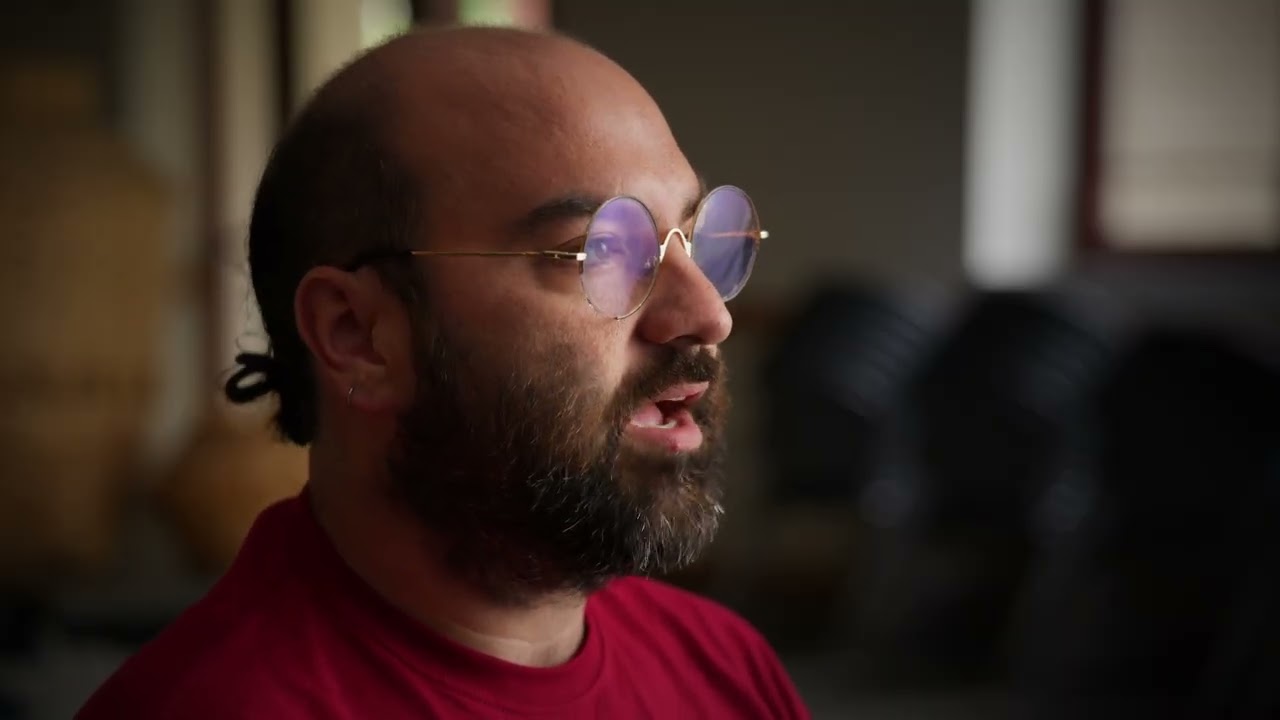
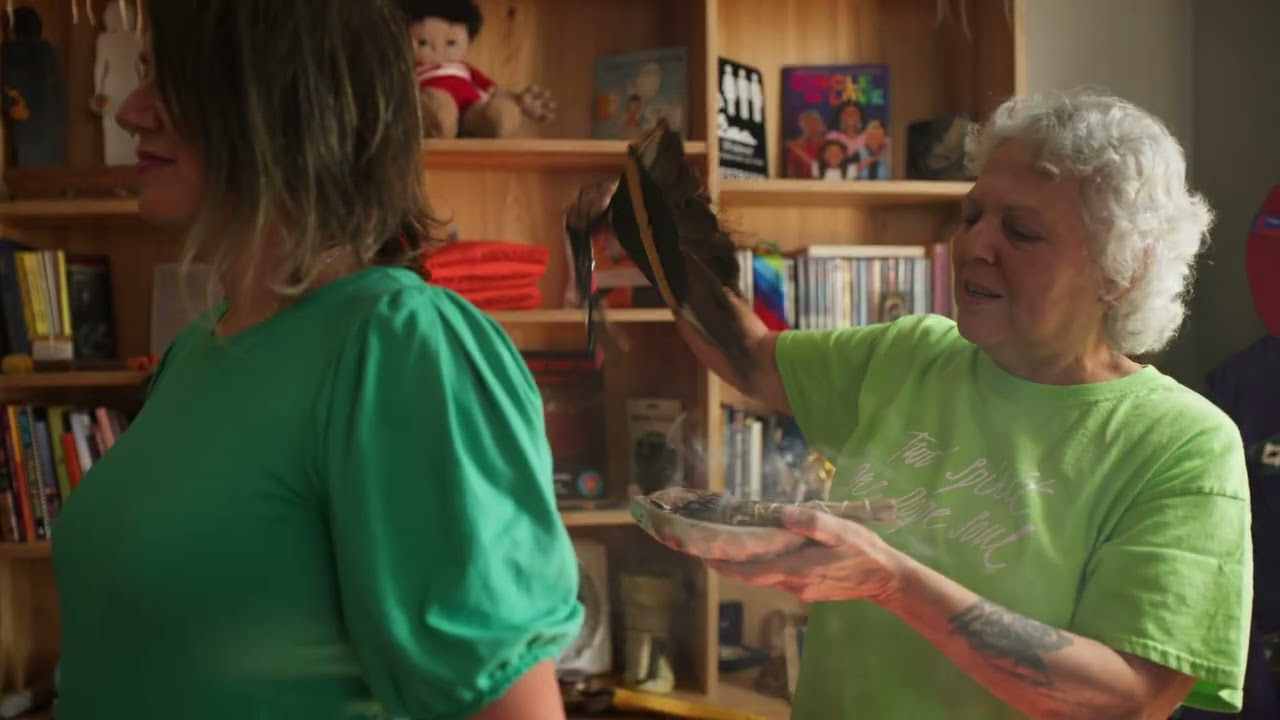
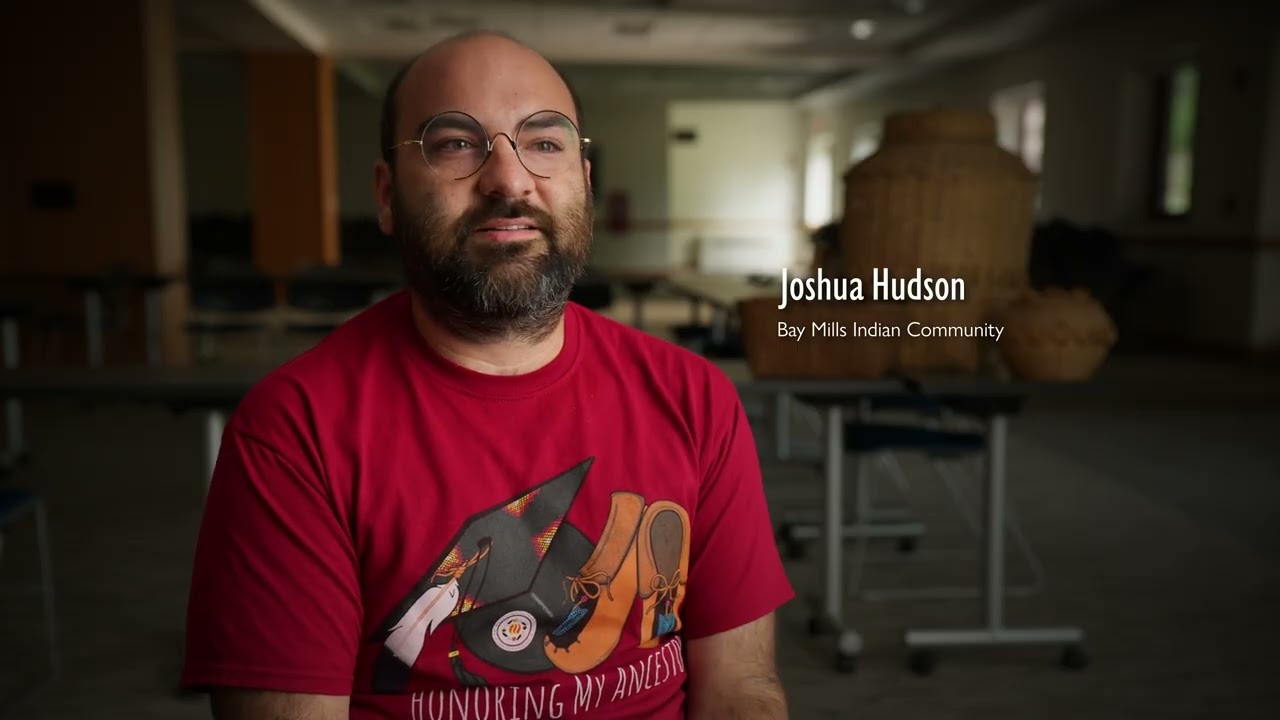
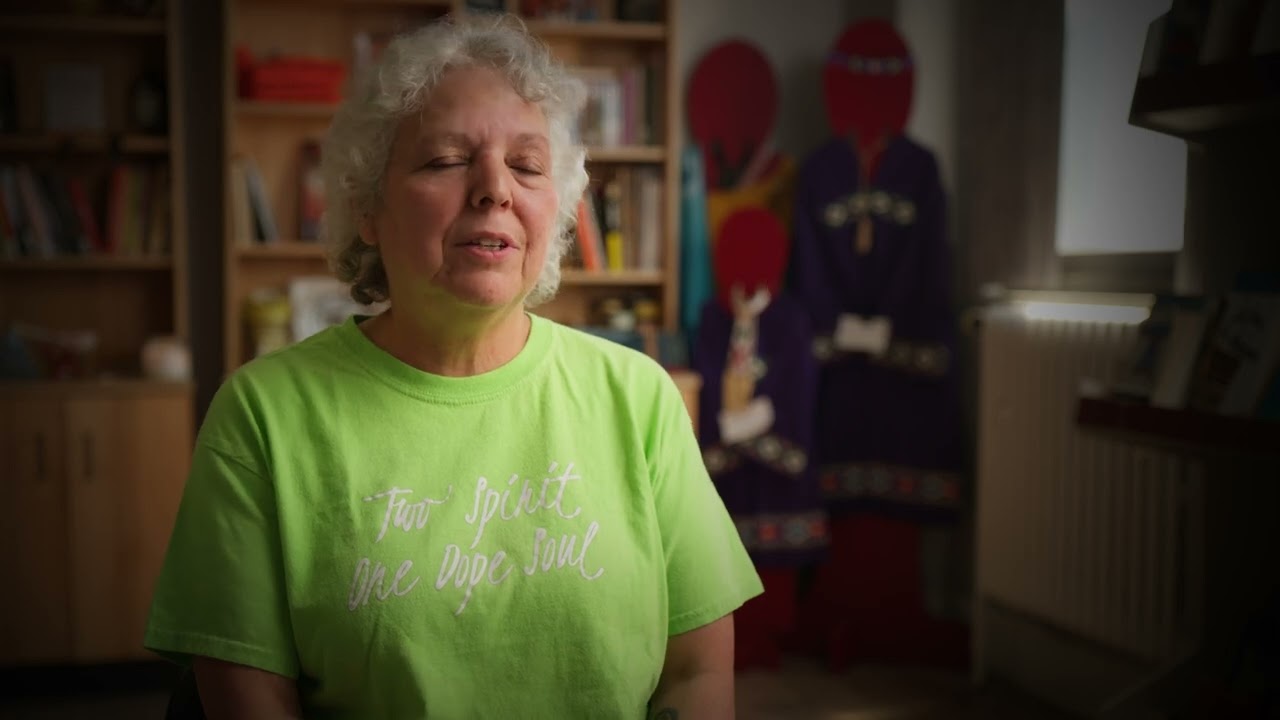
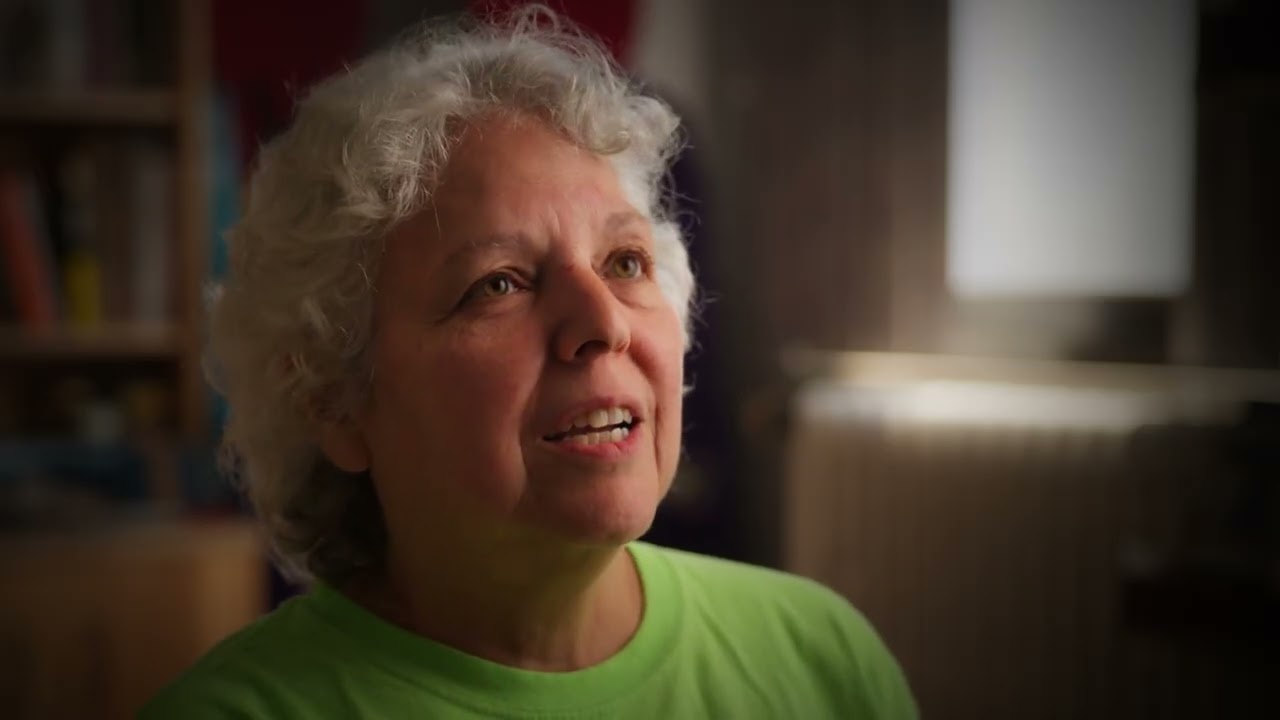
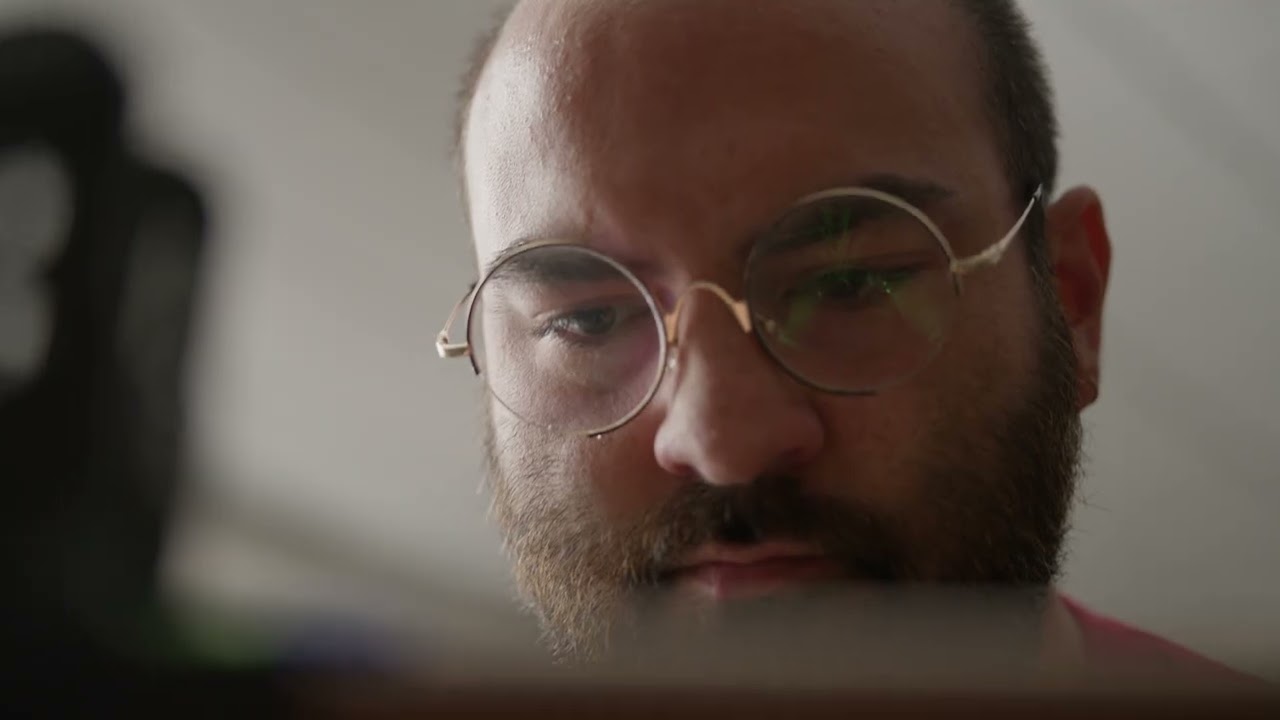
Discover inspiring digital stories that highlight the power of community connectedness. Watch, share on your social media, and spark conversations to help strengthen bonds and build support in your community.
2:00 Digital Stories
2:01
2:01
2:01
30 second PSA
0:31
0:31
0:31
Additional Resources
Rural:
- Office on Violence Against Women (OVW) | Rural Program | United States Department of Justice
- Violence and Abuse in Rural America Overview – Rural Health Information Hub
Tribal:
- Sexual Assault Awareness | National Indigenous Women’s Resources Center (NIWRC)
- StrongHearts Native Helpline | Home
- Tribal Communities | Uniting Three Fires Against Violence
State:
- Michigan Coalition to End Domestic and Sexual Violence (MCEDSV)
- Michigan Domestic and Sexual Violence Prevention and Treatment Board | Michigan Department of Health and Human Services (MDHHS)
- The Michigan Rape Prevention & Education (MI RPE) Program | (MDHHS)
General Prevention: