Tag: environmental services
environmental services
Tribal Energy Communication and Engagement
About
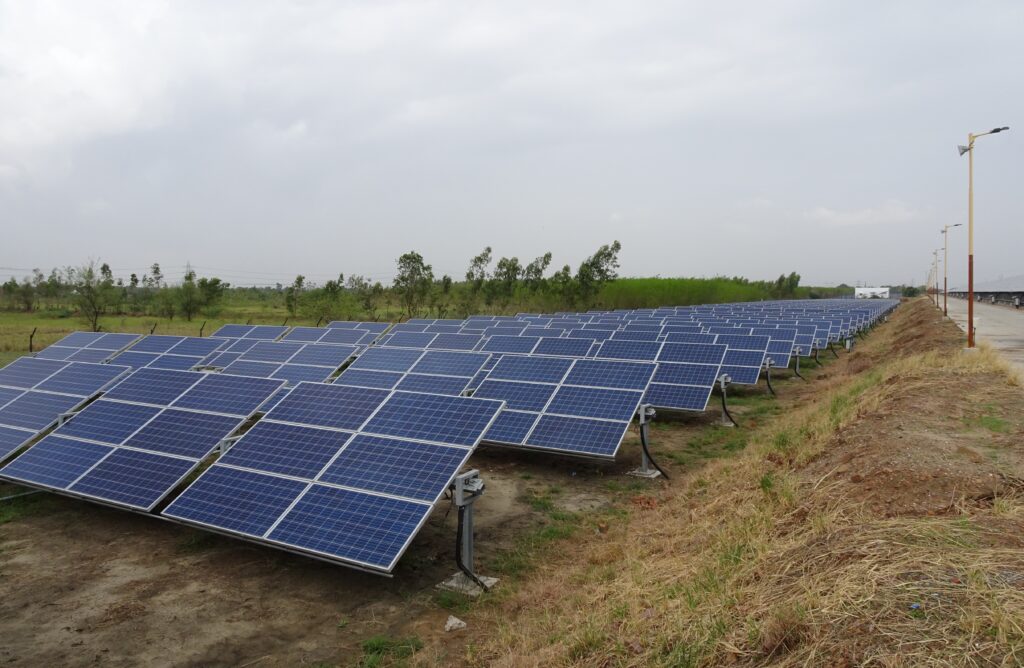
The objective of this program is to help federally recognized tribes navigate and access DOE funding and technical assistance opporunities by amplifying DOE messaging and creative effective engagement opportunities for member tribes. The purpose is to build long-lasting effective working relationships with tribal elected leaders, key staff, and DOE trough partnering with Inter-Tribal Council of Michigan, Inc. to establish channels of communication and education between Indian Energy, tribes, and energy-related communities.
For more details and questions on the program contact Jenna Killips at jkillips@itcmi.org
Newsletter
See our newsletter links below. If you’d like to subscribe, contact Jenna Killips at jkillips@itcmi.org
Great Lakes Tribal Energy Summit
October 13-14, 2026
Bay Mills Resort and Casino
11386 W. Lakeshore Drive
Brimley, Michigan 48715
Questions: jkillips@itcmi.org
environmental services
Manoomin Stewardship
About We All Live Together in a Good Way with Manoomin: Stewardship Guide
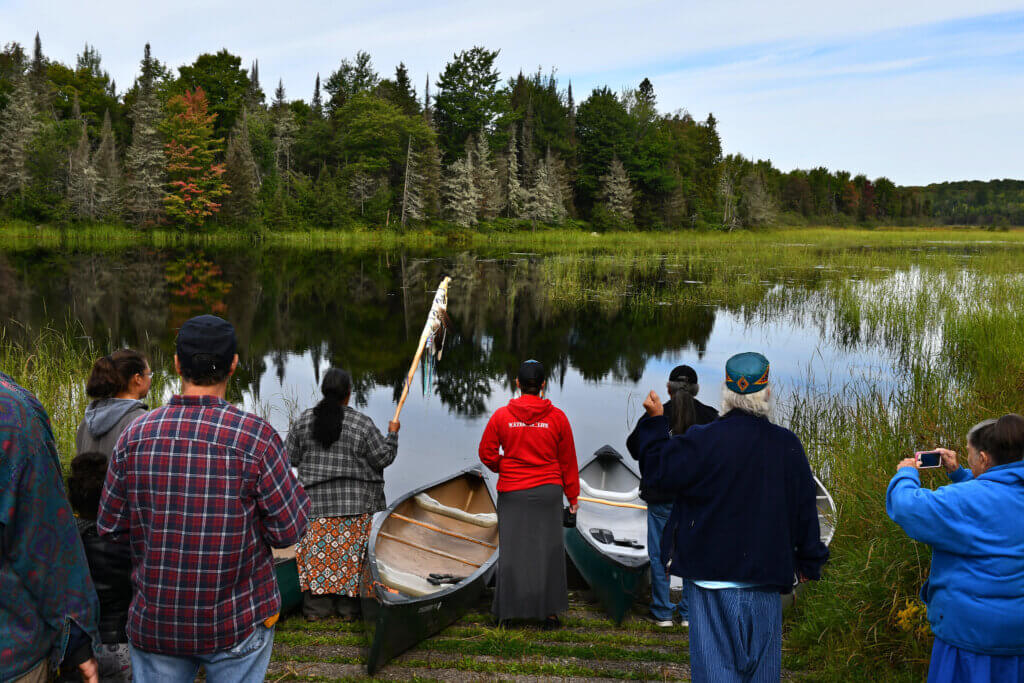
The Michigan Wild Rice Initiative is a collaboration between the twelve federally recognized Anishinaabe nations that share geography with the state of Michigan and several Michigan state agencies. Since 2017 this group of managers and specialists has worked together to protect, preserve and restore Manoomin and its culture for the benefit of current and future generations. Co-chaired by a state and Tribal representative, the Michigan Wild Rice Initiative also has sub-committees to address education and outreach, monitoring and restoration, and policy and protection and draws members from both the Initiative and federal agencies, conservation NGOs, colleges and universities.
As part of this work, they released We all live together in a good way with Manoomin: Stewardship Guide in 2025. This document is different from similar documents because it includes ways of conveying important information through traditional stories and Anishinaabe-centered language. It prioritizes an Anishinaabe perspective because they are the original people to enjoy relationship with Manoomin. Some may find the language and ideas in the document come from a world view that they, as readers from a western perspective, might not recognize or understand.
“Don’t take the document in one sitting,” says Roger LaBine, Manoomin Chief of the Lac Vieux Desert Band of Lake Superior Chippewa. “It was a document drafted with input by many and captures the heart of the whole group. It outlines well what the goals and objectives should be and where we need to go. There’s a lot of knowledge that needs to be digested, absorbed and thought about.”
Download Manoomin Stewardship Guide
Thank you for your patience while the pdf preview below loads.