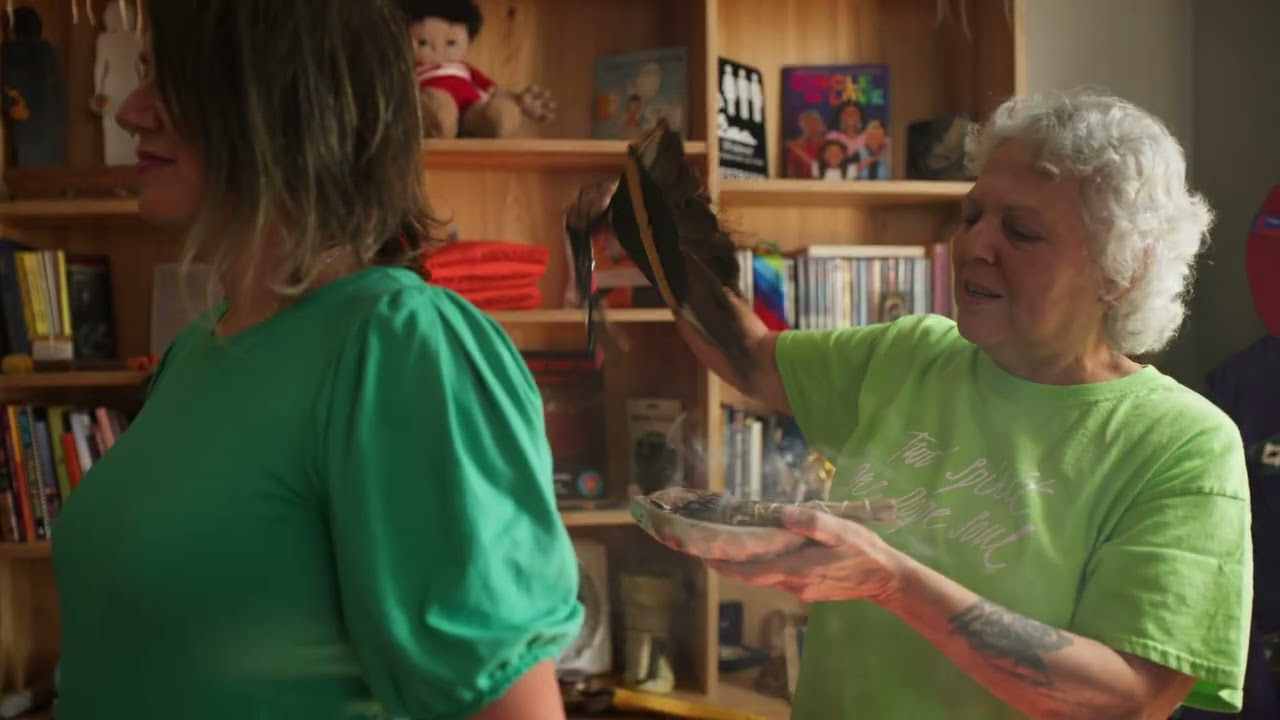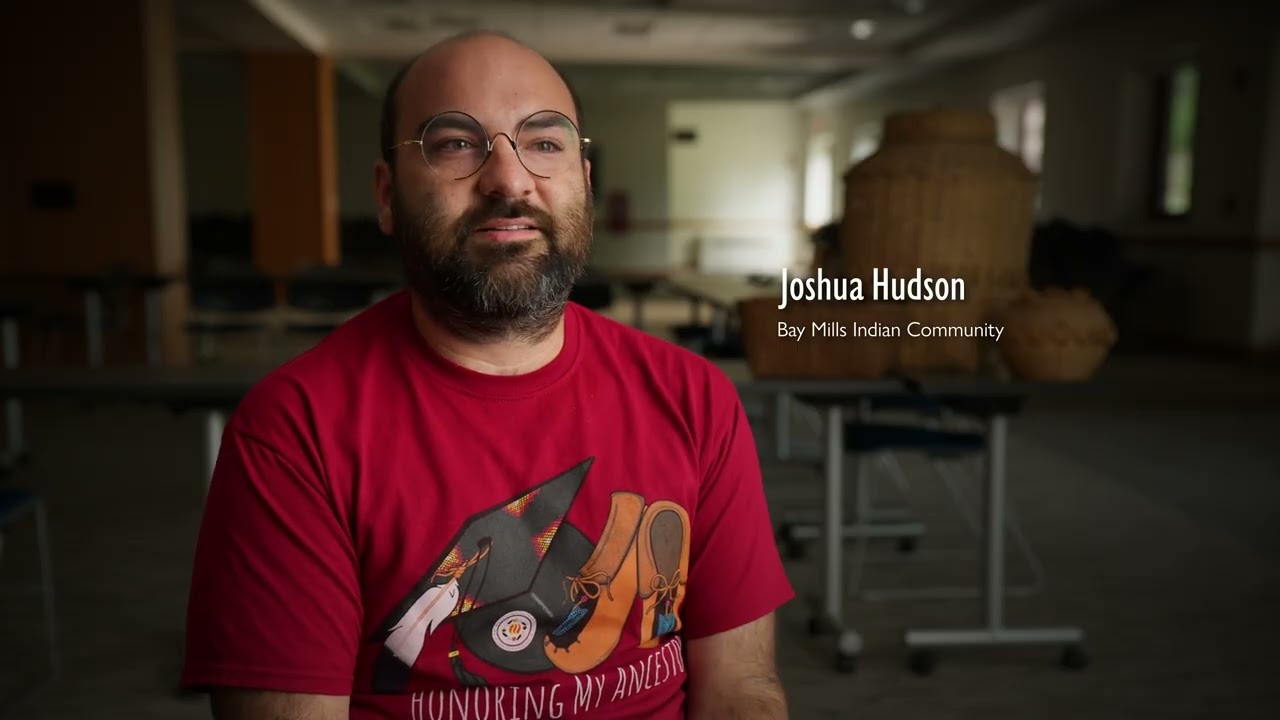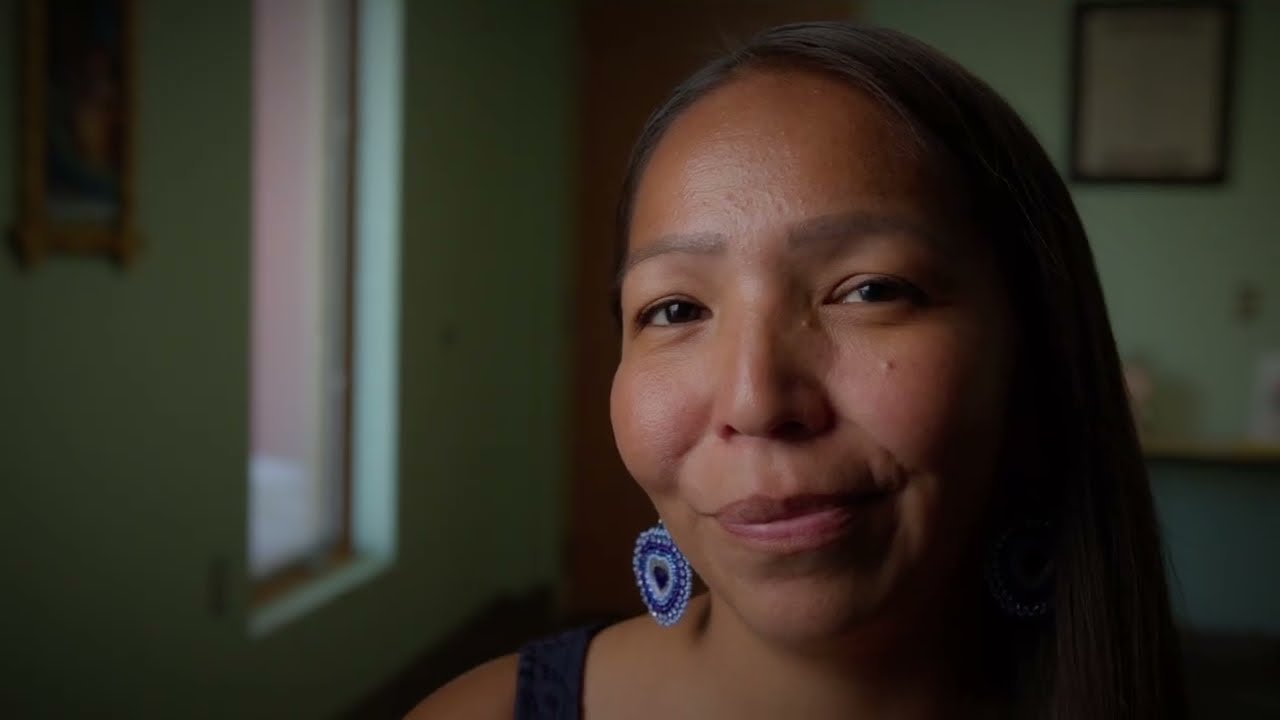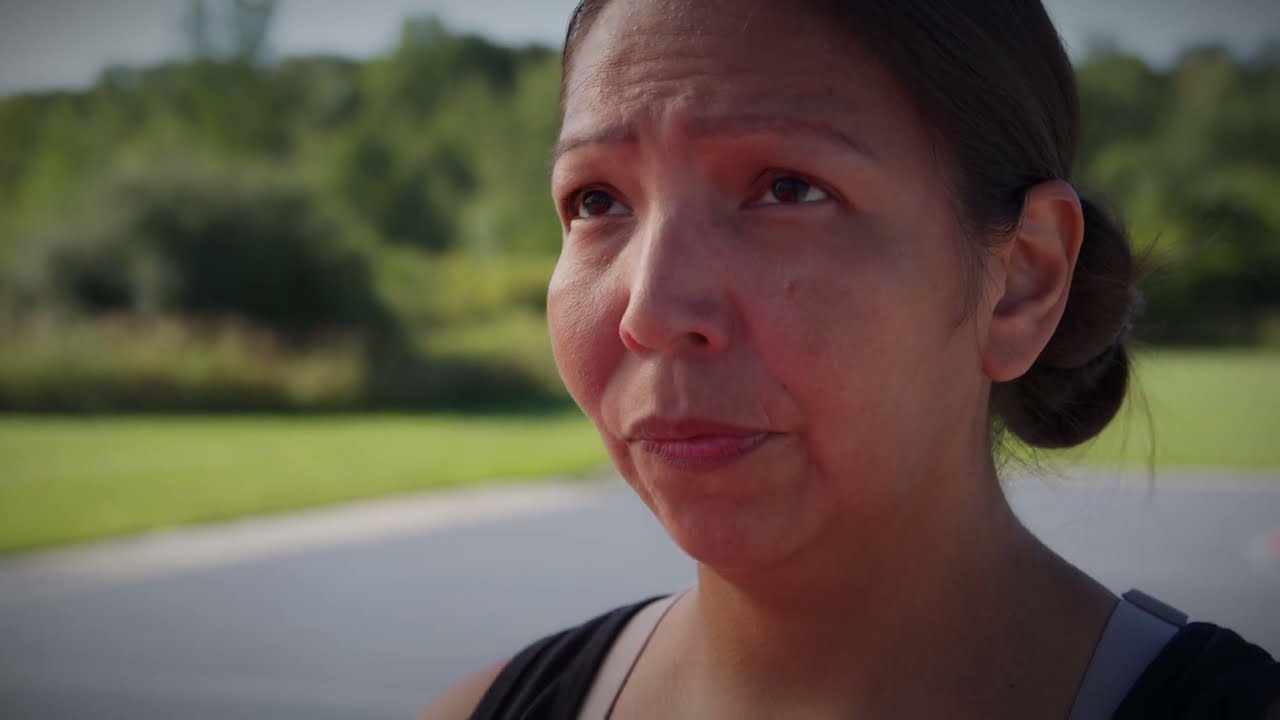
Kwe Brave Kwe Brave resource page for Native American breast cancer survivors and caregivers. Kwe...
Read MoreCategory: Resources
Resources
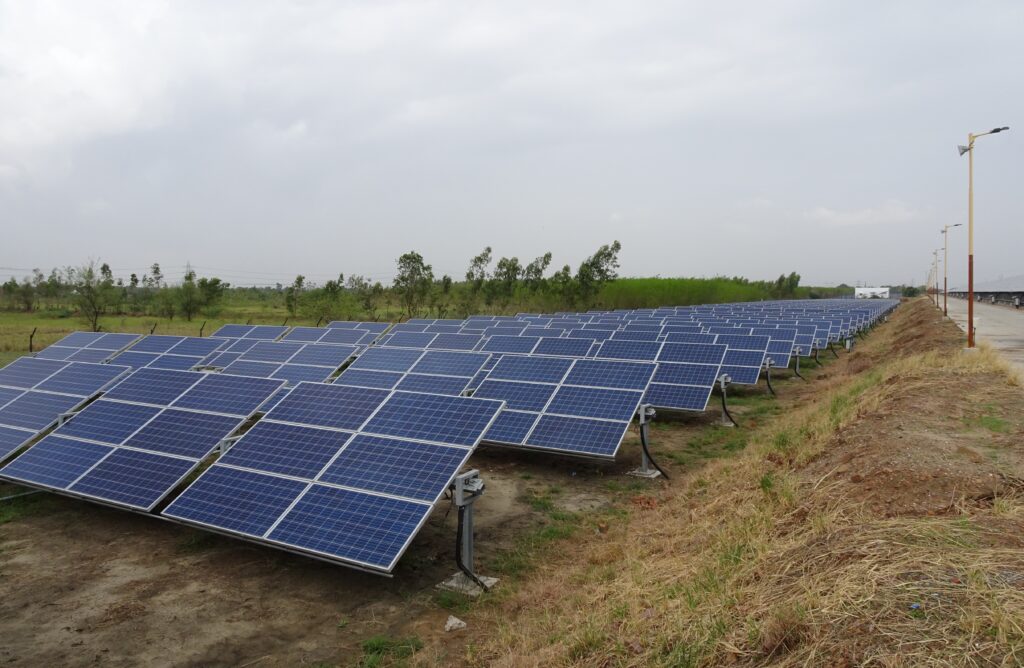
Tribal Energy Communication and Engagement
About
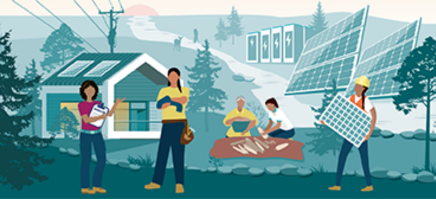
The objective of this program is to help federally recognized tribes navigate and access DOE funding and technical assistance opporunities by amplifying DOE messaging and creative effective engagement opportunities for member tribes. The purpose is to build long-lasting effective working relationships with tribal elected leaders, key staff, and DOE trough partnering with Inter-Tribal Council of Michigan, Inc. to establish channels of communication and education between Indian Energy, tribes, and energy-related communities.
For more details and questions on the program contact Jenna Killips at jkillips@itcmi.org
Newsletter
See our newsletter links below. If you’d like to subscribe, contact Jenna Killips at jkillips@itcmi.org
Great Lakes Tribal Energy Summit
October 13-14, 2026
Bay Mills Resort and Casino
11386 W. Lakeshore Drive
Brimley, Michigan 48715
Questions: jkillips@itcmi.org
Resources
Preventing Sexual Violence
A community focused, culturally grounded initiative that involves sharing stories and teachings of:
- Connection
- Love
- Belonging
- Generosity
- Respect
- Community
- Human dignity
- Humility
- Fairness
- Healing
- Hope
Our goal is to increase understanding of how we can prevent sexual violence in rural and tribal communities.
If you are in immediate need, call 911 (or your local emergency number). National Sexual Assault Hotline (RAINN): 800-656-HOPE (4673).
Content Notice: This page includes information about sexual violence and may be difficult to read. Your wellbeing matters. Please take breaks, skip sections, or return when you feel ready. If you want support, confidential help is available through local advocacy programs and national hotlines.
For tribal communities: We honor that healing and safety are tied to culture, community, and sovereignty. This page is offered to support prevention and wellbeing in ways that respect tribal laws, customs, and community-defined pathways to healing and accountability.
What Matters Most:
- Sexual violence is a serious issue with lasting impacts on survivors, families, and communities.
- Sexual violence is preventable when communities address risk and protective factors at individual, relationship, community, and societal levels.
- Some people in rural communities and Tribal nations face challenges accessing services, such as long distances, limited options, or concerns about confidentiality. These barriers can increase risk by limiting support, not because of the community itself.
- Strong relationships, cultural teachings, and community leadership remain important sources of protection and resilience.
- Prevention is strongest when it is community-led, grounded in local realities, and within tribal nations, aligned with sovereignty, tribal law, and cultural practices.
Overview
Sexual violence is when someone is forced or pressured into sexual activity without them freely agreeing to it. Sexual violence takes many forms. It can take place in person or online. It can impact anyone, no matter their age, sex, or background, and it’s often done by someone the person knows. Sexual violence is often about power and control.
Prevention
Stopping sexual violence before it starts is prevention. There are simple ways to help keep everyone safer, such as:
- Lower risks – Love takes many forms. Support healthy, respectful relationships. Speak up and get involved if a situation feels harmful or worrisome.
- Strengthen what protects us – Connection, belonging and dignity protect us all. Create opportunities for community members to connect, know and support one another. Speak up against harmful talk and behavior.
- Make our community spaces and services safer for all – Everyone shares responsibility for community safety. Communities are safer when people can be themselves without fear and community members promote values of caring for everyone.
- Fix the community conditions, systems and policies that increase risk – Risk is shaped by community factors – features of neighborhoods, schools, workplaces, organizations, and laws – not just personal choices or behaviors. Community members can help hold leaders and institutions responsible and accountable for safety and justice.
Why Focus on Rural and Tribal Communities
Community connectedness matters a lot in rural and Tribal communities, where staying safe means looking out for each other and working together. Rural communities also tend to face:
- Longer distances to access healthcare and advocacy services
- Transportation barriers and limited internet access
- Limited job opportunities and financial security
- Confidentiality concerns in close-knit communities
- Fewer shelter options and limited affordable housing
Each of these factors can make it harder to get help, increase isolation, and limit options for safe, healthy, independent living.
For tribal nations, preventing sexual violence is inseparable from sovereignty, self-determination, and the right to define safety and justice in ways consistent with Tribal law, custom, and community priorities.
Connection to Community Protects Us All
Connectedness means being linked to a community’s culture, language, traditions, and lived experiences, as well as to shared spaces, land, natural resources and region.
Community connectedness is an important way to help prevent sexual violence because it builds cohesion, trust, support, and a sense of psychological safety among community members. In communities with stronger connectedness, it is less likely that people will choose to be violent toward one another, and community members are more likely to take care of one another.
When people in rural and tribal communities come together, celebrate what makes them unique, and show respect for everyone, it helps build stronger bonds and trust. This makes it less likely for sexual violence to happen and helps everyone feel safer and more supported. The following community-informed strategies empower members to look out for one another, reduce isolation, and create environments where safety and respect are prioritized:
1. Create and maintain safe places, where everyone can come together and build connections.
What this could look like:
- Community centers, gardens, parks, cultural centers, and shared or public buildings like schools
2. Build on community strengths by expanding what’s already working to help people stay connected and care for one another.
What this could look like:
- Adding connection activities, such as story sharing, to existing community events
- Supporting and promoting seasonal celebrations, ceremonies, or cultural festivals
3. Invest in community-led opportunities to learn about local history and to practice traditions that strengthen connection and pride.
What this could look like:
- Offer guided walks or signage that connect people to place and history
- Displaying local art that reflects cultural traditions, identity, and history
4. Create or support efforts that increase understanding and respect for communities that have often been misunderstood or overlooked.
What this could look like:
- Creating opportunities for youth from different communities to learn and work together
- Modeling respectful language and behavior in public spaces and community settings
What You Can Do
Community members:
- Learn the basics of consent and healthy relationships and talk about them in everyday ways with youth, peers, and family.
- Practice safe bystander action by noticing harm, interrupting safely, checking in with someone who may be targeted, and connecting people to support.
- Challenge the idea that “everyone knows everyone,” which can keep people from speaking up. By supporting privacy, respect and believing survivors, rural and tribal communities can help reduce barriers and build support.
Community leaders:
- Use your platform to set expectations of respect, consent, and accountability as community norms.
- Invest in community-led programs, policies, and initiatives that strengthen connection, cultural ties, and build trust.
- Partner with health professionals and invest in services that provide community members with safe spaces and confidential support.
Parents, caregivers, or mentors:
- Teach youth that respect and consent are core values, and that asking/listening matters.
- Model healthy conflict resolution and boundaries in relationships. Skill-building and relationship education are key prevention approaches.
- Connect youth to culture, language, and belonging through elders, cultural leaders, and community programs. Protective connections strengthen resilience.
Videos
Discover inspiring digital stories that highlight the power of community connectedness. Watch, share on your social media, and spark conversations to help strengthen bonds and build support in your community.
2:00 Digital Stories
2:01
2:01
2:01
30 second PSA
0:31
0:31
0:31
Social Shorts
0:52
0:50
0:27
0:24
0:50
0:31
1:44
1:55

Additional Resources
Rural:
- Office on Violence Against Women (OVW) | Rural Program | United States Department of Justice
- Violence and Abuse in Rural America Overview – Rural Health Information Hub
Tribal:
- Sexual Assault Awareness | National Indigenous Women’s Resources Center (NIWRC)
- StrongHearts Native Helpline | Home
- Tribal Communities | Uniting Three Fires Against Violence
State:
- Michigan Coalition to End Domestic and Sexual Violence (MCEDSV)
- Michigan Domestic and Sexual Violence Prevention and Treatment Board | Michigan Department of Health and Human Services (MDHHS)
- The Michigan Rape Prevention & Education (MI RPE) Program | (MDHHS)
General Prevention:
Resources
Text SACREDBREATH to 88709
EX Program is here with you every step of your quitting journey – whether you’re curious about quitting someday in the future or need extra tools to maintain the progress you’ve already made.
It’s developed with experts and informed by millions of experienced quitters. You’ll get science-backed, 24/7 support — all for free.
What You Get With EX Program
Support from experts and Experienced Quitters
- Access to expert advice and tips. You’ll get a full collection of our best, judgement-free advice from the professionals at EX Program, Mayo Clinic, and other quitters. Plus, our live events make it easy to meet experts and get answers to your quitting questions.
- Connect with other quitters in the EX Community. The EX Community is the longest-running and largest online community for people quitting smoking, vaping, nicotine pouches, and tobacco. Find support, get accountability, and celebrate your wins with people who get what you’re getting through.
- Daily reminders to help guide you on your journey. You’ll get text messages with advice from experts and quitters in all phases of their quit journey. Messages adapt to your needs and experiences, whether you’re curious about quitting, actively trying to quit right now, or wanting to maintain the progress you’ve already made.
Personal Tools and Tracking
- Online exercises and tools. Interactive tools help you unlock your reasons for quitting, identify triggers, learn new ways to manage nicotine cravings, and more.
- Regular, virtual check-ins and progress tracking for personal accountability can help keep you on track with your goals.
- Personalized recommendations. EX Scout finds 6 ideas for you to read and do every week, tailored to you and your unique quit journey.
Sign up below!
Want support quitting nicotine?
Join EX Program
Thanks for joining!
Keep an eye out for a text from 88709
You'll receive daily texts full of tips, advice, and support from experts and quitters like you. Enter your mobile number to get started for free. By clicking JOIN, you agree to receive emails and texts from EX Program and agree to the Terms and Conditions. text STOP to opt out. No purchase is necessary. Msg&Data Rates May Apply.
Connection failure, please try again.
Digital Stories
Playlist
3:01
3:01
Resources
Manoomin Stewardship
About We All Live Together in a Good Way with Manoomin: Stewardship Guide
The Michigan Wild Rice Initiative is a collaboration between the twelve federally recognized Anishinaabe nations that share geography with the state of Michigan and several Michigan state agencies. Since 2017 this group of managers and specialists has worked together to protect, preserve and restore Manoomin and its culture for the benefit of current and future generations. Co-chaired by a state and Tribal representative, the Michigan Wild Rice Initiative also has sub-committees to address education and outreach, monitoring and restoration, and policy and protection and draws members from both the Initiative and federal agencies, conservation NGOs, colleges and universities.
As part of this work, they released We all live together in a good way with Manoomin: Stewardship Guide in 2025. This document is different from similar documents because it includes ways of conveying important information through traditional stories and Anishinaabe-centered language. It prioritizes an Anishinaabe perspective because they are the original people to enjoy relationship with Manoomin. Some may find the language and ideas in the document come from a world view that they, as readers from a western perspective, might not recognize or understand.
“Don’t take the document in one sitting,” says Roger LaBine, Manoomin Chief of the Lac Vieux Desert Band of Lake Superior Chippewa. “It was a document drafted with input by many and captures the heart of the whole group. It outlines well what the goals and objectives should be and where we need to go. There’s a lot of knowledge that needs to be digested, absorbed and thought about.”
Download Manoomin Stewardship Guide
Thank you for your patience while the pdf preview below loads.
Resources
Food Farmacy Implementation Guide
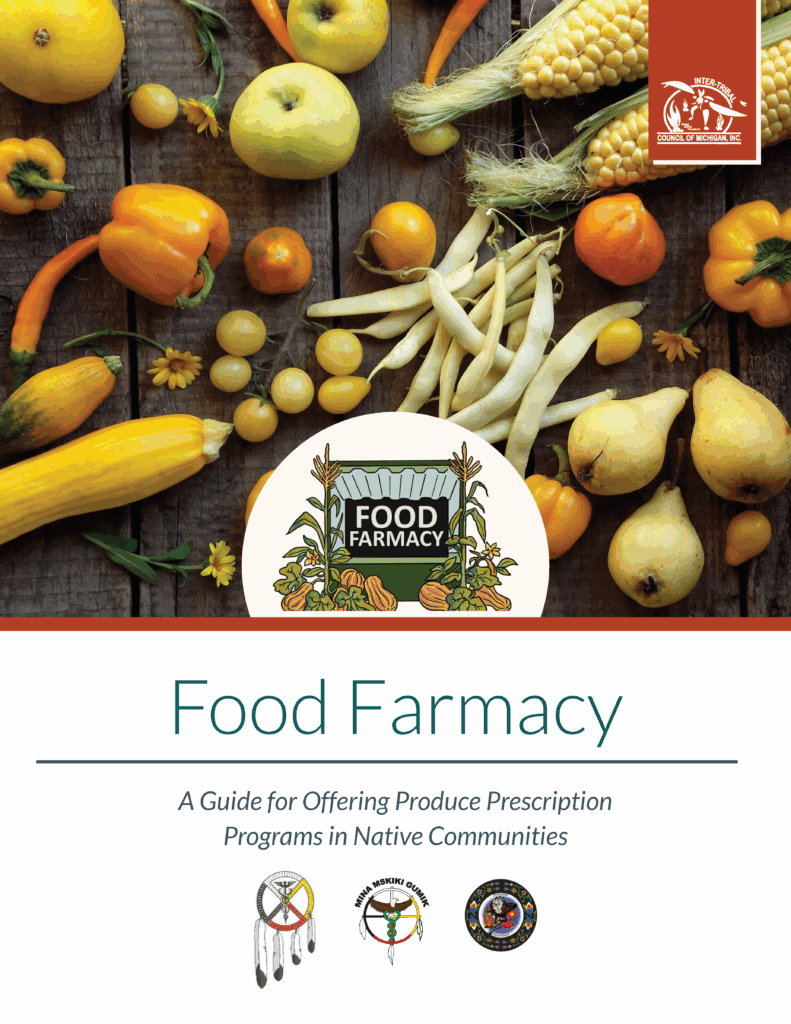
Food Farmacy: A Guide for Offering Produce Prescription Programs in Native Communities shares lessons learned from partnering with Tribal communities to adapt and implement culturally responsive produce prescription programs. The guide includes practical tools, sample materials, and real-world examples from the Hannahville Indian Community, Little Traverse Bay Bands of Odawa Indians, and Pokagon Band of Potawatomi to help inspire and support healthier food access in Native communities.
Resources
Cancer Survivorship Resources
Resources
Cancer Journey Resource Guide
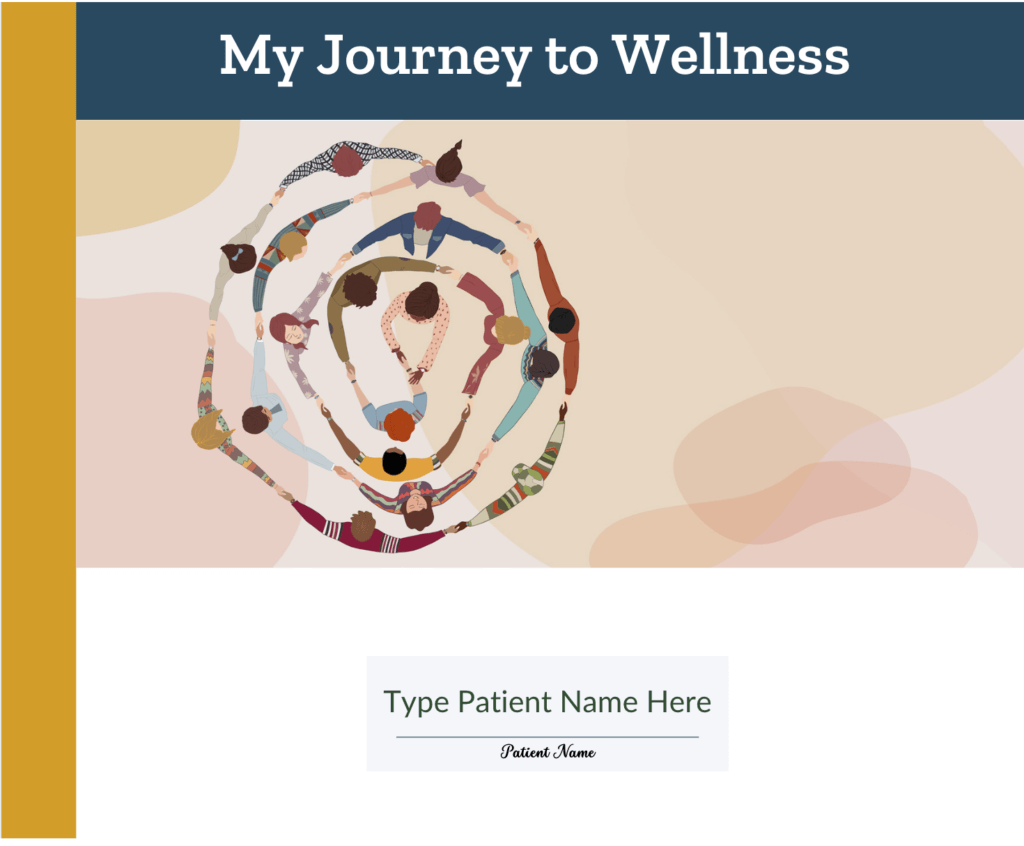
Designed by the Three Fires Cancer Consortium and the Inter-Tribal Council of Michigan, this Cancer Journey Resource Guide is a helpful tool that provides your patients with a directory of resources available in your community. This is an editable/tailorable guide designed to be delivered to your cancer patients by a clinic or community health staff member who can review and offer the resources available within your community, and at the same time provide a staff member time to document any fears or barriers the patient may be encountering, and any support they need with their cancer diagnosis.
Many patients living in rural locations are not provided the navigation support offered in urban areas, and this toolkit can provide a connection back to community resources to mitigate issues such as financial barriers, and food insecurity, and provide personalized referrals to local resources (traditional healer, dietician, behavioral health, etc.) while on their cancer journey.
This link is a Canva template, that you can copy, rename, and tailor for your health system and tribal community. If you have any questions or need support in tailoring this document for your community, please reach out to bsieloff@itcmi.org.
Videos
Resources
Three Fires Comprehensive Cancer Consortium
The Inter-Tribal Council of Michigan’s National Comprehensive Cancer Control Program aims to decrease colon, breast and lung cancer, improve quality of life among cancer survivors and decrease cancer morbidity and mortality for Michigan’s American Indians.
The Three Fires Cancer Consortium, addresses cancer-related health disparities among Michigan’s American Indian populations through the use of policy, systems and environmental change strategies.
Five tribes are participating in this consortium:
- Bay Mills Indian Community
- Hannahville Indian Community
- Keweenaw Bay Indian Community
- Little Traverse Bay Bands of Odawa Indians
- Sault Ste. Marie Tribe of Chippewa Indians
Programs
Patient Navigation Cancer Screening
The Inter-Tribal Council of Michigan supports Michigan tribal communities in reducing structural barriers to breast...
Read MoreCancer Survivorship Resources

Cancer Survivorship Resources Resources Cancer Journey Resource Guide Designed by the Three Fires Cancer Consortium...
Read MoreBehavioral Risk Factor Surveillance System
The NaBRFS is one of the only sources of state-specific, population-based estimates of the prevalence...
Read MoreCommercial and Traditional Tobacco
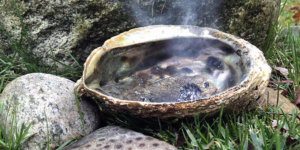
Tobacco is a sacred medicine among many Native American cultures used for ceremony. Learn more...
Read MoreResources

Behavioral Health & Services
Programs
Neonatal Abstinence Syndrome
Healing for Those Creating Life Ji-Nanaandawi’indwaa Waa-Ondaadiziikejig The goal of...
Read MoreAnishnaabek – SPF
Anishnaabek Strategic Prevention Framework The ITC Anishnaabek Strategic Prevention Framework...
Read MorePeer Recovery Support
Peer Recovery Support The Inter-Tribal Council of Michigan (ITC), Anishnaabek...
Read MoreMedicated Assisted Treatment
Medicated-Assisted Treatment Medication-Assisted Treatment (MAT) is the use of medications,...
Read MoreState Opioid Response MAT Initiative

State Opioid Response MAT Initiative About The State Opioid Response...
Read MoreNaloxone/Harm Reduction Training
Naloxone/Harm Reduction Training As the number of fatal opioid overdoses...
Read MoreTribal Action Plan
Tribal Action Plan A Trial Action Plan (TAP) is a...
Read MoreNative Connection Initiative
Native Connection Initiative The Inter-Tribal Council of Michigan, Inc. (ITCMI)...
Read MoreTribal Gambling Disorder Prevention
Tribal Gambling Disorder Prevention The purpose of the Tribal Gambling...
Read MoreDigital Stories
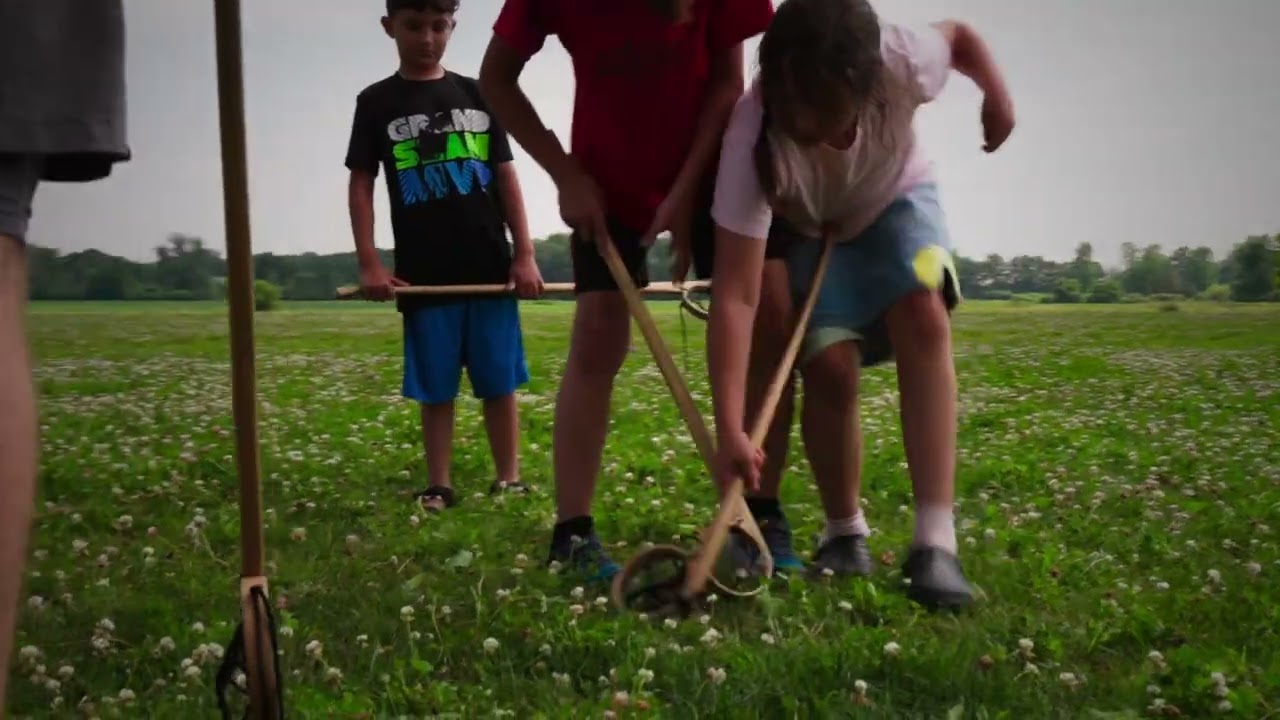
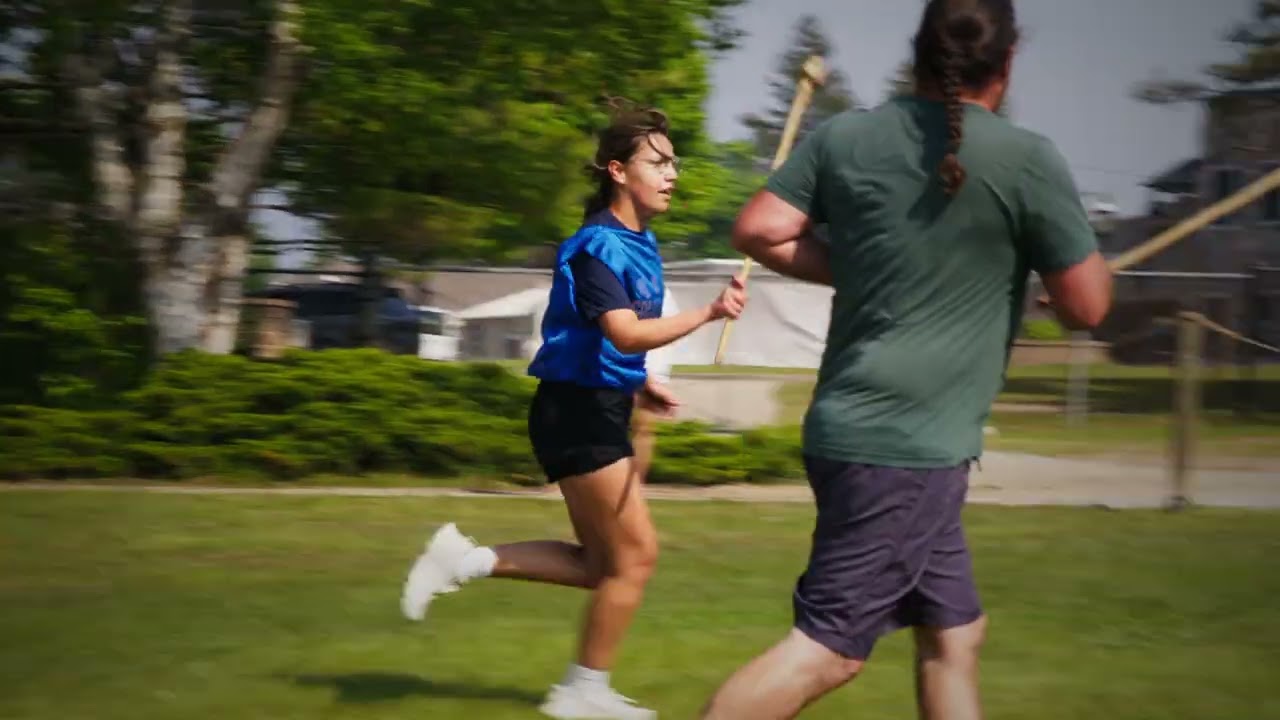
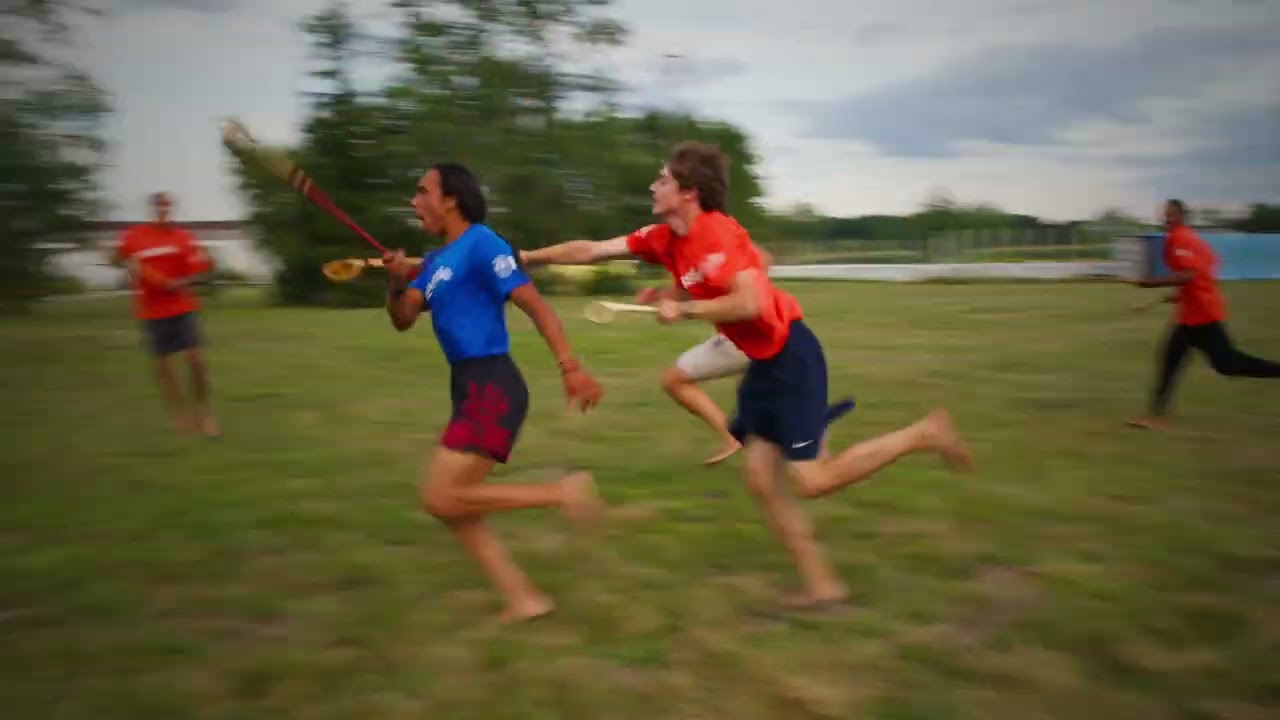
Mshkikiiwan Baaga'adowewin | Traditional Lacrosse
9:03
0:35
1:50
0:49
0:58
0:30
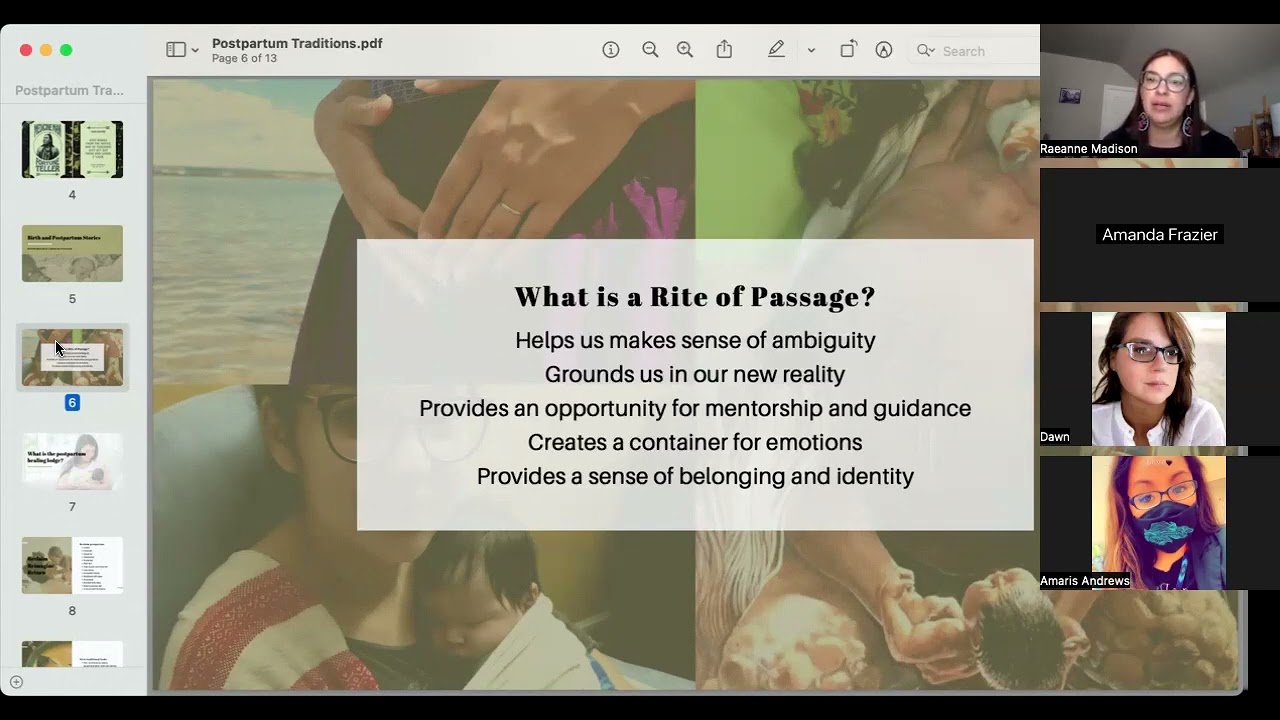
Sacred Pregnancy, Sacred Support
1:07:38
57:39
1:07:16
54:56
46:42
Recovery - Gambling Disorder
3:01
0:31
3:01
0:31
0:16
Recovery - Substance Abuse
0:31
3:01
0:00
3:01
0:31
3:01
0:31
0:16
0:16
0:16
0:16
0:16
Healing Generational Trauma
0:16
0:16
Healing Through Culture
0:16
0:16
0:16
0:16
0:16
0:16
0:16
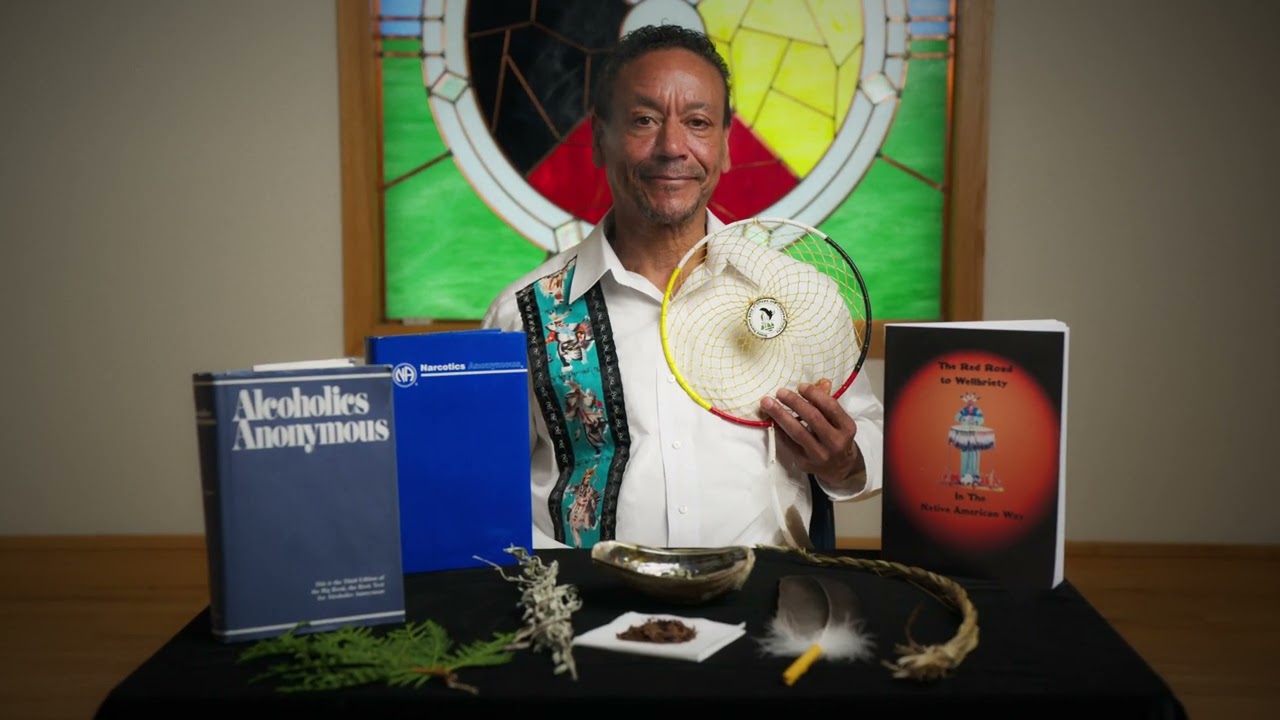
Recovery - Alcohol & Substance Use Disorder
0:16
0:16
0:16
0:16
0:16
0:16
0:16
0:16
Recovery - Alcohol Use Disorder
0:16
0:16
0:16
0:16
0:16
0:16
0:16
0:16
0:16
0:16
0:16
0:16
0:16
0:16
0:16
0:16
0:16
0:16
0:16
0:16
0:16
0:16
0:16
0:16
0:16
Recovery - Domestic Violence
0:16
0:16
0:16
0:16
Recovery - Sexual Abuse
0:16
Data Repositories
Welcome to the Tribal Prevention Data Repository, a central location to access data and data sources relating to behavioral health issues. The data repository is geared to meet the needs of Michigan’s Tribal Behavioral Health Staff. This repository is a living tool that will be updated regularly to ensure that it can be useful as tool to increase capacity for tribal communities to address behavioral health issues. If you have any recommendations or issues with the data repository please feel free to reach out via email: cjodoin@itcmi.org
Additional Links and Resources
Alcohol Use
Stay tuned for new information.
Opioid Misuse
Stay tuned for new information.
Methamphetamine Use
Stay tuned for new information.
Stimulant
Stay tuned for new information.
Marijuana
Stay tuned for new information.
Other Substance Misuse
Stay tuned for new information.
All Drug Data
Stay tuned for new information.
Suicide Data
Stay tuned for new information.
- Urban American Indian Community Perspectives on Resources and Challenges for Youth Suicide Prevention (PDF)
- Suicide and the opioid overdose crisis among American Indian and Alaska Natives: a storm on two fronts demanding swift action (PDF)
- An Examination of Historical Loss Thinking Frequency and Rumination on Suicide ideation in American Indian Young Adults (PDF)
- Alcohol Use and the Interpersonal Theory of Suicide in American Indian Young Adults (PDF)
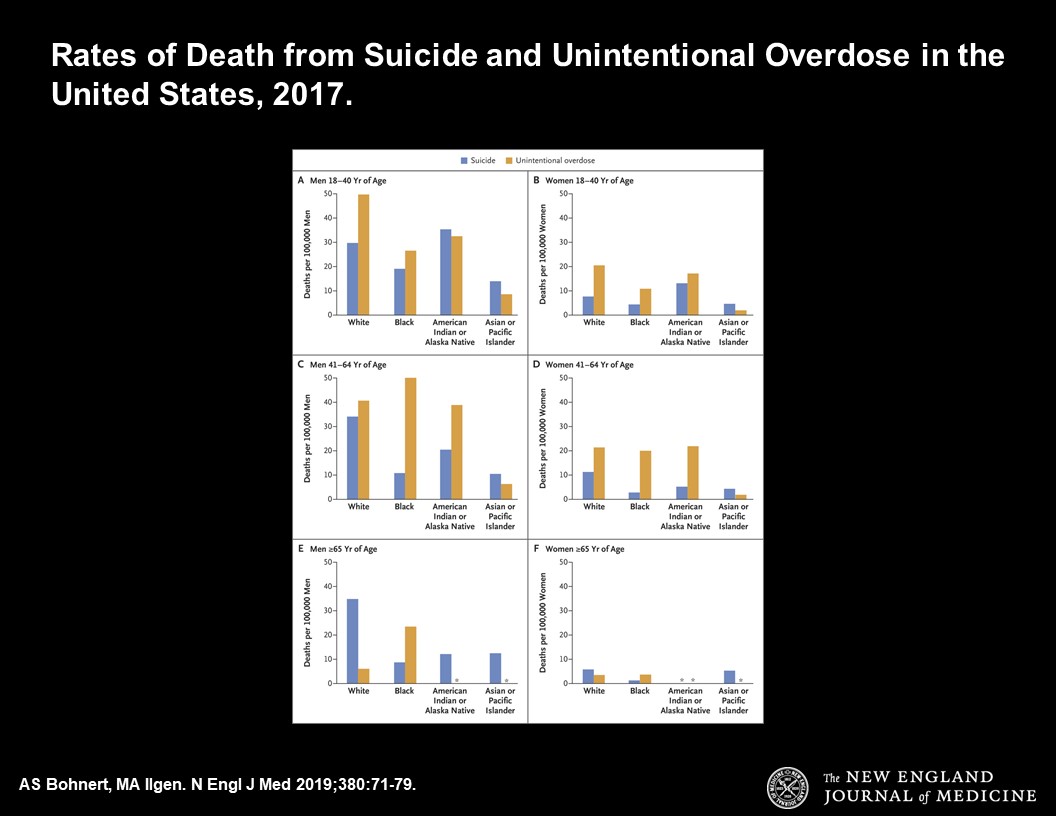
- Rates of Death from Suicide and Unintentional Overdose in the United States, 2017 (JPEG)
Related Topics
Stay tuned for new information.
Staff
To contact our staff dial one of these numbers followed by the extensions listed below. 906.632.6896 or 877.482.3601 or 800.562.4957
Resources
Childhood is Sacred
About Childhood is Sacred
When making decisions, our Anishinaabeg ancestors thought about the impact their decision and planning would have seven generations ahead. It is a cultural practice that has helped preserved our language and traditional wisdom despite war and overwhelming historical challenges and barriers, some of which still affect us today and are largely the reason for the work we do in partnership with tribal communities.
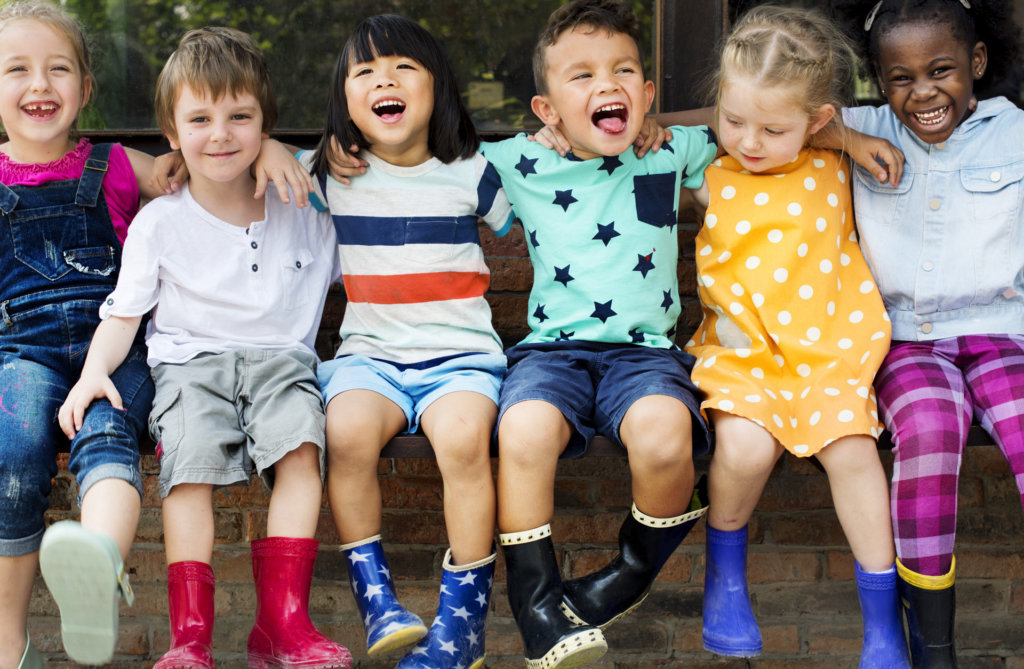
Remembering that Childhood is Sacred keeps children at the heart of our communities and ensures a bright healthy future, many generations ahead. The period of childhood (0-8 years) is a foundational period of tremendous growth and development. It is the stage of life for learning and setting healthy practices. In addition, our elders tell us that every child is born with a unique gift important to maintaining balance in the community and as adults we are all charged with ensuring that every child is supported and nurtured in a manner that ensures their wellbeing. We want to see that every child’s gifts blossom.
Campaign Resources
Making Connections PSA
As fellow advocates, teachers, and Anishinaabe parents, we understand how important our children are to the health and wealth of our communities. ITCMI has partnered with the Michigan ACE Initiative to extend our work in addressing the mental health needs of children in our communities. Trauma is very real for our children and the more we do to understand how it affects our children, the more we help them heal and build their resilience. We are pleased to share some of our most materials for you to hang, talk about, and share with others in your community. This campaign in partnership with the MIACE Initiative (https://www.miace.org/) touches on research that points to the importance of making connections to reduce trauma and increase resilience. These materials include tips and techniques that have been developed with input from youth and their providers as well as ACEs research and culture. The goal behind this work is to build resilience in youth through increased awareness and education about the importance of healthy social connections, connections to nature, and cultural connections. To learn more about ACEs and these resources or to access digital copies for download or further sharing, please go to https://www.miace.org/up/ and www.itcmi.org/childhoodissacred. These sites can provide you with •a number of videos and 30 second PSAs you can share or play in your area.
•Posters (you can print and share for educational purposes only)
•Toolkit for lessons and activities that accompany the messages shared in the materials
•Links to other helpful resources and materials (see also: https://www.healthynativeyouth.org/resources/mind4health/)
Toolkit
Public Education Campaign Toolkit
This toolbox is designed to give parents, providers and caring adults working with youth 5-18 years old additional information surrounding the education campaign titled MAKING CONNECTIONS to Heal, Grow and Build Resilience.
We hope that the users of this toolkit will be become more trauma aware. It may not be easy and require years of support, but we truly believe that anyone can overcome the effects of Trauma or Adverse Childhood Experiences (ACEs). We acknowledge that that can be a long challenging journey. By teaching resilience skills to children, we can empower them to resist and heal from trauma; thus, preventing the long-term health issues associated with ACEs.
Author
Michelle Leask, MA/200RYT/SEL*F & ACEs Master Trainer
Citizen, Red Cliff Band of Lake Superior Chippewas
Contributors
Josie Babcock, MPH & ACEs Trainer
Citizen, Sault Ste Marie Tribe of Chippewa Indians
Further acknowledgement goes to PACE D2A, Michigan Public Health Institute, MIACE Initiative, Inter-Tribal Council of Michigan Project ILAUNCH, Healthy Native Youth, and GoZen for their continued work and dedication in the field of youth mental health and prevention.
Powered By EmbedPress
Making Connections Poster
Making Connections Poster free for download and distribution.
Powered By EmbedPress
Billboard
This billboard is on display during the summer of 2023 through Michigan’s Upper Peninsula.
Powered By EmbedPress
Childhood is Sacred PSA
Children don’t need perfect parents. They need parents and grandparents to make time, listen, be curious and love them unconditionally. It’s our job to care for and spend time with our children so they realize their gifts and use them to help all our people. Childhood is sacred. Make time with your child sacred by being active, playful and true. This is how we heal the future.
Posters
Download these posters to help promote the Childhood is Sacred Campaign. Each poster features different ways to be active, playful and true with your child including cooking together, picking berries, playing ball games and getting regular exercise, making music, and more!
Powered By EmbedPress
Resource Guide
Project I-LAUNCH partnered with OPEN MSU to create a Substance Use Pregnancy and Parenting resource guide that includes contact information and resources for tribal health and behavioral health clinics, tribal home visiting, syringe service programs, and recovery services.
Powered By EmbedPress
Wisdom Keeper Video Series
Children don’t need perfect parents. They need parents and grandparents to make time, listen, be curious and love them unconditionally. It’s our job to care for and spend time with our children so they realize their potential.
Follow Us On Social Media
Join The Young Child Wellness Advisory Council (YCWAC)
This Council aims to create space for dedicated parents, community staff, and family members to share their voice and vision for young child wellness. If you are passionate about the wellbeing of children and families, please join our Young Child Wellness Advisory Council Meetings (held quarterly) and/or contact one of the members below.
Members
Michelle Leask (Schulte): mschulte@www.itcmi.org
Inter-Tribal Council of Michigan
Ashley Seppanen: ashley.seppanen@kbic-nsn.gov
Keweenaw Bay Indian Community
Julia Schroeder: julia.schroeder@hannahvilleschool.net
or Kendra Kleiman: kendra.kleiman@hannahvilleschool.net
Hannahville Indian Community
Lauren Ryskey: lryskey@lvdhealthcenter.com
Lac Vieux Desert Band of Lake Superior Chippewa Indians
Laura McKechnie: lmckechnie@saulttribe.net
Sault Ste. Marie Tribe of Chippewa Indians
History
Since 2012, ITCMI has been working with Tribes and Tribal Citizens across Michigan to erase the silos across services and programs that serve children 0-8 and their families. From community discussions to strategy innovation and implementation, everyone involved has been working to elevate the role of our early childhood providers, support parents and be more effective and efficient with existing resources in each community.
Additional Resources
Presentation and Webinar Recordings
The ITCM’s past REACH US project was a national, multilevel program that served as...
Read MorePublications

Publications Our Work Presentations Plain Language Training – Making a Proverb Come True...
Read MoreVideos
Playlist
3:01
0:31
Additional Links
- Upper Peninsula Community Resources
- Here families, individuals, home visitors, and community organizations will find helpful tools, information, and resources to help answer questions, find resources, trainings, share documents, and find community partners.
- ACF Video Series on Early Childhood Social Emotional Development and Mental Health and Caregiver Wellbeing
- The Children’s Bureau in partnership with the Office of Early Childhood Development, the Office of the Assistant Secretary for Planning and Evaluation, the Office of Head Start, and other federal partners, created a series of short videos to spotlight the importance of robust social emotional development and mental health support strategies within programs serving young children and their families.
- Fatherhood.org
- Fatherhood.org’s vision is that all communities and human service organizations are proactively father-inclusive so that every child has an involved, responsible, and committed father in their lives.
Resources
Resources
Health Risk Behaviors Among Native Americans in Michigan
This report presents estimates from both the 2017 Native American BRFS (NaBRFS) and the State of Michigan 2017 BRFSS (MiBRFS). When possible, comparison charts will be included to highlight health disparities.
The NaBRFS is one of the only sources of state-specific, population-based estimates of the prevalence of various health behaviors, medical conditions, and preventive health care practices among Native American Michigan adults. The survey findings can be used by Tribal agencies, public health agencies, academic institutions, nonprofit organizations, and others to develop programs that promote the health of Native American Michigan citizens.
The results from the 2017 NaBRFS presented within this report have been weighted as described in the methods section and can be interpreted as prevalence estimates among the Michigan Native American adult population.